Dental Bonding
Henderson, Nevada


Henderson, Nevada
A Small Repair, Considered
A chipped front tooth doesn’t always require a veneer. For patients considering Henderson dental bonding, composite resin can restore a missing corner, smooth out an uneven edge, or close a small gap by adding tooth-colored resin to your existing tooth. The choice depends on how much needs to be fixed and how well the repair will last when you bite.
At George Harouni, DDS in Henderson, your cosmetic treatment begins with a check of your teeth, gums, and bite. If you’re thinking about bonding, it’s important to ask: Can resin achieve the shape you want? Is your tooth healthy enough to support it? Would moving your teeth first give a better outcome?
Dental bonding uses tooth-colored composite resin to repair small chips, close minor gaps, and adjust tooth shape or color. The dentist shapes the material on the tooth, hardens it with a curing light, and polishes it to match surrounding teeth.
Composite bonding adds material to your tooth and usually keeps most of your natural enamel. This is the same material used for tooth-colored fillings, but cosmetic bonding is about improving the look and shape of your tooth, not filling a cavity.
Detail | Dental Bonding |
|---|---|
| Best for | Small chips, minor gaps, uneven edges, and selected discoloration |
| Material | Tooth-colored composite resin |
| Appointment length | About 30–60 minutes per tooth; larger cases take longer |
| Downtime | Usually none |
| Pain | Usually minimal; numbing may be needed for decay removal or sensitive areas |
| Duration | Commonly 3–10 years before repair or replacement |
| Cost | Quoted after examination, based on the teeth and repair involved |
Shape Without Excess
Bonding works best for localized changes where adding a small amount of material can improve a tooth's outline. Common concerns include:
A small gap can sometimes be closed by making the teeth on either side a bit wider. Whether this looks natural depends on the space and the size of your teeth. For bigger gaps or crowded teeth, orthodontic treatments like Invisalign may be a better solution.
A broken tooth with pain, a deep crack, or substantial missing structure needs a dental evaluation before cosmetic treatment. Covering the visible defect alone may leave the underlying problem untreated.
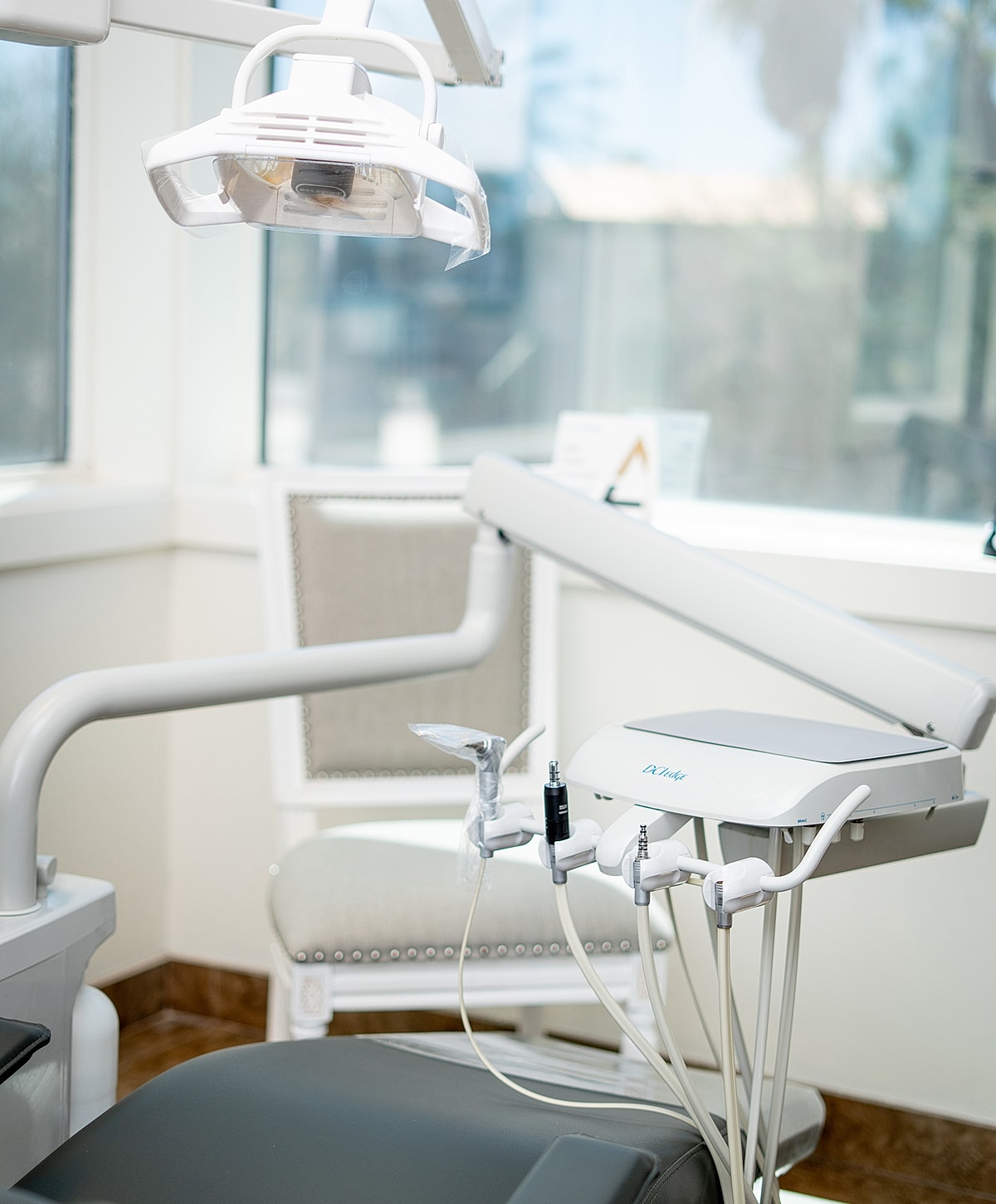
Dental bonding allows a dentist to make a focused correction while preserving healthy tooth structure. It can be useful when you like most of your smile and want to repair one detail.
Bonding usually costs less at first than porcelain veneers for small fixes. However, it’s important to consider maintenance as well, since resin can stain, wear down, or chip over time.

You might be a good candidate if your mouth is healthy, your concern is small, and your tooth is strong enough for bonding. Where the repair is placed also matters. Adding material to a biting edge is different from making a small change on the front of a tooth.
Active decay, gum disease, or an injured tooth may need treatment first. Extensive damage can require a crown, while broader changes in tooth color and shape may be better suited to porcelain veneers.
Grinding or clenching your teeth can harm both your teeth and dental work. Let Dr. Harouni know if you wake up with jaw pain or have chipped the same tooth more than once. The office can check for bruxism and offer treatment. Fixing these habits may help protect your repair.
Most of the time, you don’t need to do much to get ready for cosmetic bonding. Just follow any specific instructions from the office, especially if you have other dental treatments planned.
Built on the Tooth
During cosmetic bonding, the dentist applies and shapes resin right on your tooth. Most small repairs are finished in one visit and usually take about 30 to 60 minutes per tooth.
Direct bonding doesn’t need a lab-made shell. If you want to treat several teeth or have other procedures done, the process may take longer.


Most small cosmetic repairs don’t hurt much and often don’t need numbing. You might hear polishing sounds or feel some vibration or pressure as the dentist finishes the tooth. Numbing is used if decay needs to be removed or if the area is sensitive. Tell the dentist if you feel pain during treatment. Temporary sensitivity can occur afterward, but persistent pain or a bite that feels uneven needs to be checked.
Most people can go back to work and normal activities right after a bonding appointment. The resin is hardened before you leave, so there’s no extra healing time needed for the material.
Timing | What to expect |
|---|---|
| Before leaving | The new shape is visible, and the material has been cured and polished |
| First day | If numbing was used, wait until sensation returns before chewing |
| Next few days | Mild sensitivity may occur; contact the office if it persists or worsens |
| Ongoing | Brush, floss, and attend dental checkups to monitor the tooth and repair |
Don’t bite ice, pens, fingernails, or other hard things with bonded teeth. Using your front teeth to open packages can also chip the bonding. Be sure to follow your aftercare instructions, especially about eating and foods or drinks that can stain.
Call the office if a new edge feels sharp, floss catches or shreds at the repair, or the tooth feels high when you close your mouth. Increasing pain also warrants a call.

You’ll see the change in your tooth’s shape as soon as the appointment ends. Dental bonding usually lasts about three to ten years before it needs a touch-up or replacement, but some repairs may need attention sooner.
How long bonding lasts depends on the size and spot of the repair, your bite, and how you care for your teeth. A front edge that gets a lot of grinding may chip sooner than a small repair that’s out of the way. Good brushing, flossing, and regular dental cleanings help protect your tooth and the bonding.
Drinks like coffee, tea, red wine, and tobacco can stain the bonding over time. If the surface looks dull or there’s a small chip, polishing or a small repair may fix it. Bigger problems or decay around the bonding might mean it needs to be replaced.
Bonding material can stain, chip, or wear out and might need to be fixed or replaced. Bonding can’t move teeth, fix a deep crack, or make a weak tooth strong enough for all biting forces.
Some people feel temporary sensitivity or need their bite adjusted after bonding. Your natural tooth can still get cavities around the bonding, so regular dental care is still important. In some cases, bonding can be changed or taken off later. Ask your dentist how much of your tooth needs to be prepared, since enamel that’s removed can’t be replaced.
Bonding works well for small fixes and repairs. Porcelain veneers cover more of the tooth’s surface and usually resist stains and wear better.
Consideration | Dental bonding | Porcelain veneers |
|---|---|---|
| Material | Composite resin shaped directly on the tooth | Custom ceramic shell |
| Tooth preparation | Little or no enamel removal in many cases | Usually some enamel removal |
| Visits | A limited repair is commonly completed in one visit | Usually multiple appointments |
| Maintenance | More prone to staining and wear; localized repairs may be possible | More stain-resistant; damaged veneers may need replacement |
| Initial cost | Generally lower for comparable limited treatment | Generally higher |
If your main concern is tooth position, moving your teeth might be the best first step. If your tooth is weak, a crown may give better support than a cosmetic repair.
The cost of bonding depends on how complex the repair is. Factors include how many teeth are treated, the size and spot of each repair, the time needed to match and shape the resin, and whether any decay or old dental work needs to be fixed first.
Fixing a small corner is different from reshaping several front teeth, and each takes a different amount of work. The dentist will examine your teeth to decide what’s needed before giving you an estimate. Remember to think about future maintenance when comparing bonding to other treatments.
Dental insurance may help with repairs, but cosmetic-only changes are usually not covered. Coverage depends on your plan. The office offers financing through Cherry and CareCredit. Ask the team about the latest terms and if you qualify before applying.
Dr. George Harouni has more than 25 years of dental experience and serves as a part-time instructor at the UNLV School of Dental Medicine. At his independent practice, he offers dental bonding Henderson patients can consider alongside veneers, crowns, and Invisalign.
He looks at your tooth’s appearance, gum health, and how your bite works when planning cosmetic treatments. During your consultation, you can talk about what you want to change and go over your options. For a small chip, bonding might be all you need. If your tooth needs more support or its position needs to be fixed, that will be considered before adding resin.
Bring the Detail You Want Changed
If you want to talk about dental bonding in Henderson, you can request an appointment with George Harouni, DDS, or call (702) 434-9464. The office is located at 731 Mall Ring Circle, Suite 201, Henderson, NV 89014.
Bring any questions you have about the chip, gap, or edge you want to fix. The dentist will examine your teeth to see if bonding is right for you and explain what other options might involve.
Whitening gel doesn't lighten composite resin the way it lightens natural teeth. If you're considering professional teeth whitening, discuss the sequence before bonding so the resin can be matched to your intended shade.
It can close some small gaps by adding material to the neighboring teeth. The space, tooth proportions, and bite determine if that approach is suitable. Larger spaces or alignment problems may need orthodontic treatment.
Yes, a single tooth can be treated when the concern is localized. Matching its color, outline, and surface to the adjacent teeth is part of planning the repair.
Sometimes. A dentist needs to examine the remaining resin and natural tooth to decide if a localized repair will hold or if the material should be replaced. Repeated chipping also calls for a review of the bite and grinding habits.
They use similar tooth-colored material. A filling replaces tooth structure lost to decay or damage, while cosmetic bonding may be added to healthy enamel to change its shape. Both require a sound tooth and a suitable bite.
Possibly. Changing a tooth's shape can affect how an existing retainer or nightguard fits. Bring your appliance to the appointment and have the fit checked before wearing it over newly bonded teeth.