Root Canal Treatment
Henderson, Nevada

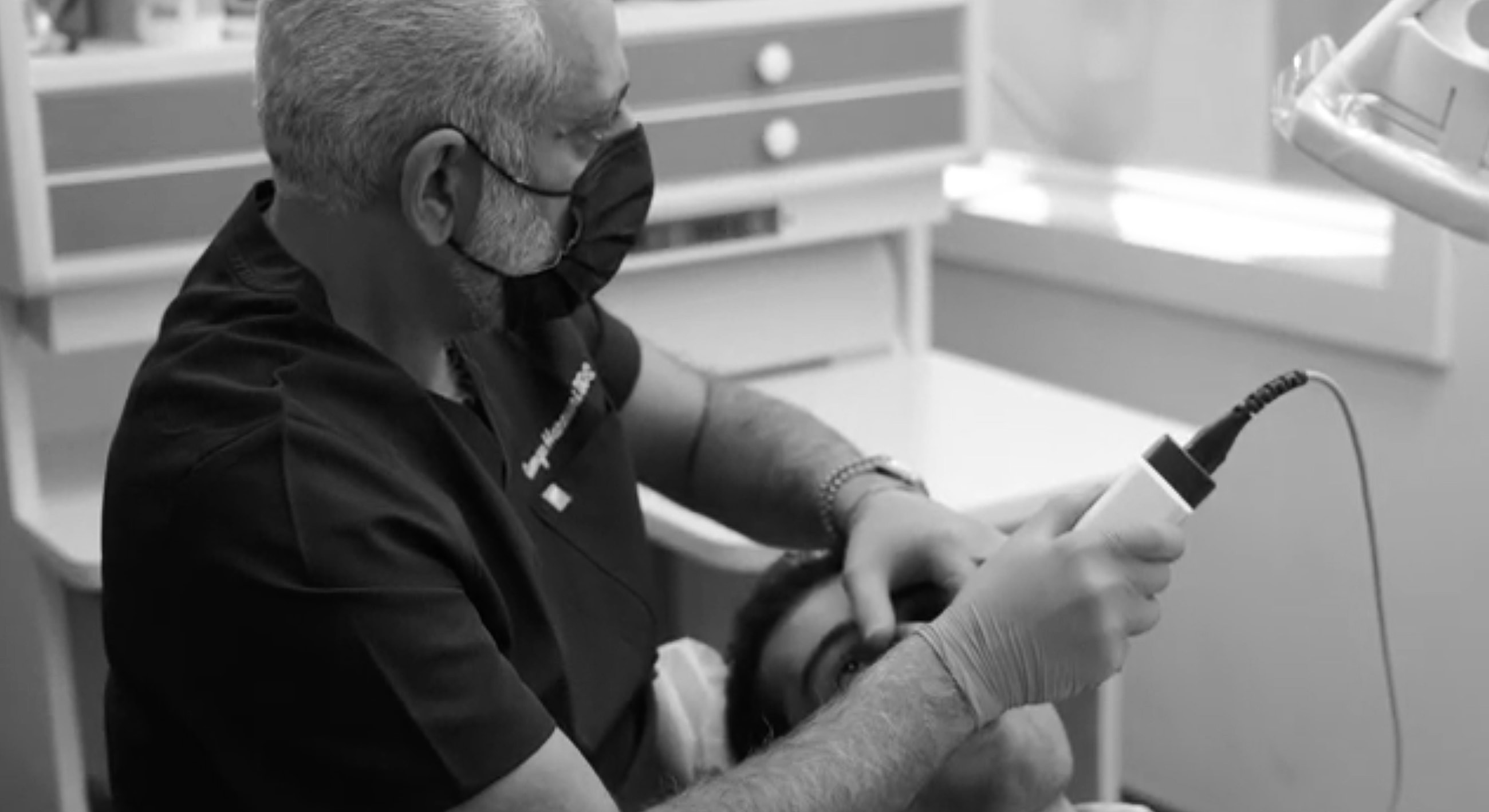
Throbbing tooth pain, lingering sensitivity, or swelling around a tooth can make it hard to eat, sleep, or focus. Root canal treatment is a reliable way to relieve that pain and save a tooth that would otherwise be lost. By carefully cleaning and sealing the inside of the tooth, Dr. Harouni can remove infection while keeping your natural tooth in place.
In Henderson, Nevada, George Harouni, DDS, we take a calm, gentle approach to root canals so they feel more like getting a filling than having major work done. With advanced anesthesia techniques, modern tools, and a bright, open environment, our team focuses on keeping you comfortable from start to finish while protecting your long-term oral health.

Removes infected or inflamed tissue from inside the tooth, relieves pain, and preserves your natural tooth structure so you can continue to chew and smile comfortably.
After the root canal is completed, the tooth is filled with a biocompatible material and usually restored with a high-strength crown, often made from zirconia or porcelain, for durability and a natural look.
Most root canals are completed in one comfortable visit, though some cases may need a second appointment to ensure full healing and a precise final restoration.
With good brushing, flossing, and regular checkups, a tooth that has had a root canal and crown can last many years, often as long as your other natural teeth.
A root canal is a procedure that treats the inside of a tooth when the nerve and soft tissue (pulp) become infected or severely inflamed. Instead of removing the tooth, Dr. Harouni gently cleans out the damaged tissue from the root canals, disinfects the space, and seals it to prevent bacteria from returning.
This treatment is often recommended for teeth with deep decay, cracks, or trauma that has reached the nerve. By keeping the outer structure of the tooth and restoring it with a filling or crown, a root canal lets you keep your natural tooth in place so you can chew comfortably and maintain a complete smile.

The process of having a root canal is usually easier than most people expect.
Evaluation & Diagnosis
Dr. Harouni begins with a careful exam, digital X‑rays, and a conversation about your symptoms. If he confirms that the nerve of the tooth is infected or damaged, a root canal is the best way to save it. He clearly explains your treatment plan and answers your questions before getting started.
Numbing and Comfort
The tooth and surrounding area are fully numbed, so you stay comfortable throughout the visit. Many patients are surprised by how relaxed they feel once the numbing takes effect and the pressure from the infection begins to ease.
Cleansing the Inside of the Tooth
Through a small opening in the top of the tooth, Dr. Harouni gently removes the infected pulp tissue and shapes the tiny root canals. The canals are rinsed and disinfected to clear out bacteria and debris.
Filling and Temporary Protection
Once the canals are clean and dry, they are filled with a rubber-like material to seal them. In many cases, a temporary filling or crown is placed to protect the tooth until a final crown can be made. A follow‑up visit may be scheduled to place the permanent crown and check your bite.

Root canal treatment is used to address problems inside the tooth that cause pain or risk tooth loss:
Treats cavities that have progressed into the pulp, causing sensitivity or sharp pain.
Helps save teeth that have fractured into the nerve after injury or biting on something hard.
Addresses teeth that ache with hot or cold for a long time, often a sign of nerve damage.
Treats infections at the tip of the root that can cause swelling, tenderness, or a pimple-like bump on the gums.
In some cases, a failing old root canal can be retreated to clear infection and preserve the tooth.
Relief From Pain
Infected or inflamed tooth nerves can cause intense, constant pain. A root canal removes the source of that pain, often providing noticeable relief soon after treatment.
Saving Your Natural Tooth
Instead of extracting the tooth, a root canal lets you keep it in place. This helps maintain your bite, prevents neighboring teeth from shifting, and avoids the need for more complex replacement options.
Natural Appearance and Function
Once the tooth is restored with a crown or filling, it looks and functions much like your other teeth. You can chew more comfortably, smile with confidence, and care for the tooth as part of your regular home routine.
If you have severe tooth decay, cracks, or nerve pain, a root canal treatment is typically the appropriate course of treatment to restore comfort and function. Ideal candidates have a tooth with enough healthy structure left to support a filling or crown after the infection is removed.
If the tooth is too badly broken, has severe bone loss, or cannot be restored predictably, Dr. Harouni will talk with you about other options, such as extraction and replacement with an implant or bridge. During your visit, you will have time to review X‑rays, discuss the pros and cons of each option, and choose the plan that fits your comfort level, goals, and budget.

Most patients return to normal daily activities right after a root canal. Once the numbing wears off, you may notice mild tenderness when biting or some soreness in the gums, which usually improves over a few days and can be managed with over‑the‑counter pain relief if needed.
It is a good idea to avoid chewing hard foods on the treated tooth until it has been fully restored with a permanent filling or crown. Continue brushing and flossing gently around the area, and follow any specific instructions from our team to support healing.
Many people feel relief from their original tooth pain soon after treatment. Once the final crown or filling is placed, the tooth should feel stable and comfortable when you bite and chew.
With good daily oral hygiene and regular dental visits, a tooth that has had a root canal can last for many years. Dr. Harouni and our hygiene team will show you how to care for the restored tooth and monitor it at your checkups to keep it healthy over time.

Treating an infected tooth calls for a steady hand and a calm, reassuring presence. Dr. George Harouni brings more than 28 years of experience, along with his role as a clinical instructor at the UNLV School of Dental Medicine, to every root canal he performs. He focuses on preserving your natural tooth whenever possible while keeping you comfortable throughout the visit.
As an independent practice, we are able to spend the time needed to explain your options, start on schedule, and use advanced anesthesia methods to keep treatment as painless as possible. Our bright, open operatories, friendly team, and 4.9‑star rating from hundreds of Google reviews reflect the level of care patients have come to expect. If you are worried about a painful tooth or have been told you may need a root canal, we are here to answer your questions and help you feel at ease about your next steps.
With good brushing, flossing, and regular dental visits, a tooth that has had a root canal and proper restoration can often last as long as your other natural teeth. The longevity of your treated tooth depends on the health of the surrounding bone and gums, and how well you protect the tooth from new decay or cracks.
In most cases, people will not be able to tell which tooth has had a root canal. After treatment, the tooth is usually restored with a custom crown or filling that matches the color and shape of your surrounding teeth, so it blends in with your smile.
The procedure itself is typically comfortable. Before starting, Dr. Harouni numbs the tooth and surrounding area thoroughly using advanced anesthesia techniques. You may feel some pressure or vibration, but you should not feel sharp pain. Any soreness afterward is usually mild and short‑lived.
A root canal cleans and seals the inside of your existing tooth so you can keep it in place. An extraction removes the entire tooth from the mouth. Saving the tooth with a root canal helps maintain your natural bite and avoids the need for replacement options like implants, bridges, or partial dentures. During your visit, Dr. Harouni will explain which option best fits your situation and long‑term goals.